Groupage Freight Transport for Small Shipments
An informational overview of how LoadShare UK consolidates goods from multiple senders into a single vehicle, allowing clients to book space for small shipments across the United Kingdom.
Book SpaceAn informational overview of how LoadShare UK consolidates goods from multiple senders into a single vehicle, allowing clients to book space for small shipments across the United Kingdom.
Book Space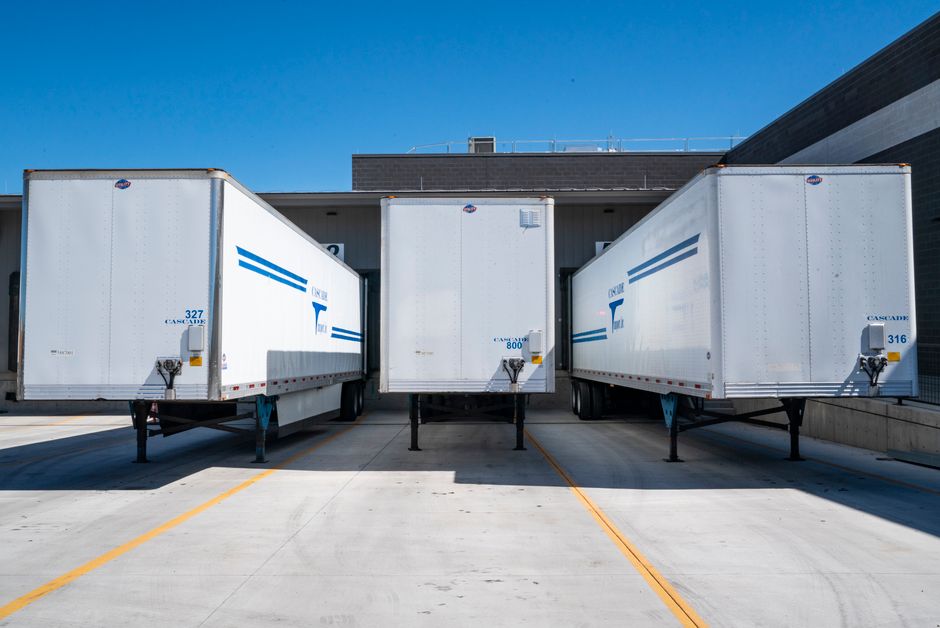
LoadShare UK provides a service for small consignments moving across the United Kingdom by sharing vehicle space among multiple senders. This arrangement lets several shippers use part of a single vehicle instead of arranging separate transport. The general scope covers consolidated freight handling for small consignments, with vehicle space allocated among different senders. The service is based on shared capacity, and each sender reserves space for their load. The approach applies to routine small freight movements within the UK. Operational properties are subject to terminal locations, consignment details, and service policies, and depend on external factors that should be reviewed when booking.
For small shipments, dedicating an entire vehicle often involves costs that are out of proportion to the volume being moved, as fixed operating expenses are borne by a single consignment. Groupage freight transport offers an alternative by combining multiple senders’ shipments into one vehicle, so each participant uses only the space required for their goods. This approach can make logistics options more accessible for small consignments, though suitability depends on factors such as route availability, terminal locations, and scheduling. LoadShare UK facilitates this through a process of booking space, depositing goods at a terminal, and collecting them at the destination point, allowing different consignments to be coordinated within a shared transport framework.

Goods from multiple shippers are grouped into a single vehicle for efficient use of space along shared routes.
Shippers can book space for small consignments, with allocation based on the actual capacity required.
Cargo is handed over and collected at designated terminals, forming a scheduled transfer point within the transport chain.
Consolidated vehicles follow planned routes and timetables, with each shipper allotted space within that schedule.
Booking the shared space was straightforward, and the terminal handover instructions were clear. The process matched what was described, though final delivery timing depended on other consignments in the same vehicle.
I used the service for a smaller consignment. The booking and terminal handover steps were explained in advance. Collection at the destination terminal was coordinated and followed the stated procedure overall.
The booking system was easy to follow, and staff at the terminal confirmed my consignment details on receipt. Delivery timings varied with consolidation loads, which is worth noting when planning.
LoadShare UK facilitates groupage freight transport for small shipments by organising shared vehicle space. Clients book the required capacity, deliver goods to a designated terminal, and collect them at the destination. This method allows multiple senders to utilise a single transport unit, providing a structured approach to moving smaller consignments across the UK without the need for a dedicated vehicle.

Reserve capacity for your consignment by providing dimensions, weight, and collection details through the booking system.
Deliver your goods to the designated terminal, where they are checked in and prepared for consolidation.
Your consignment is grouped with others headed in the same direction, sharing vehicle space for efficiency.
Collect your goods at the destination terminal or arrange final delivery, depending on the service selected.
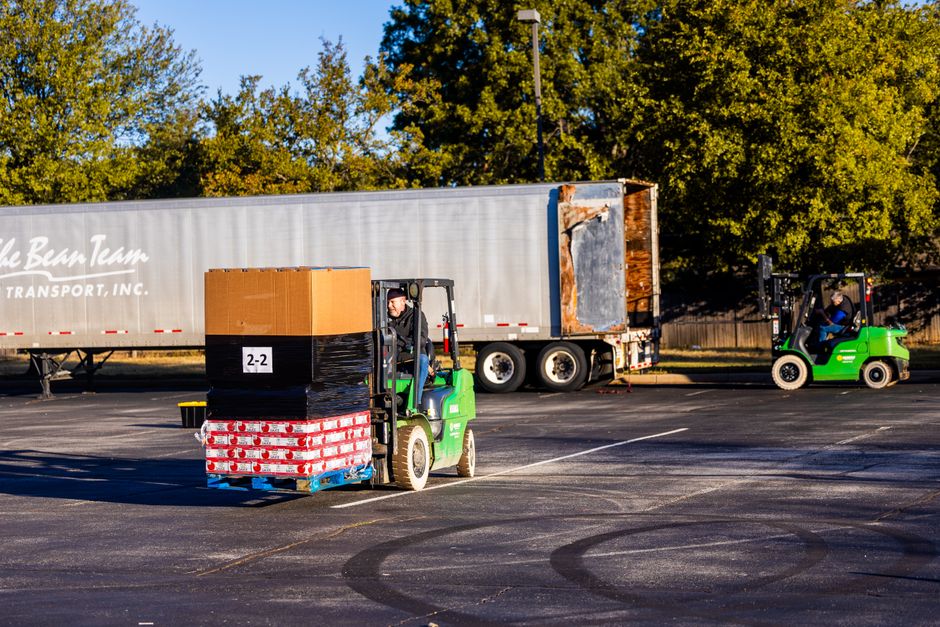
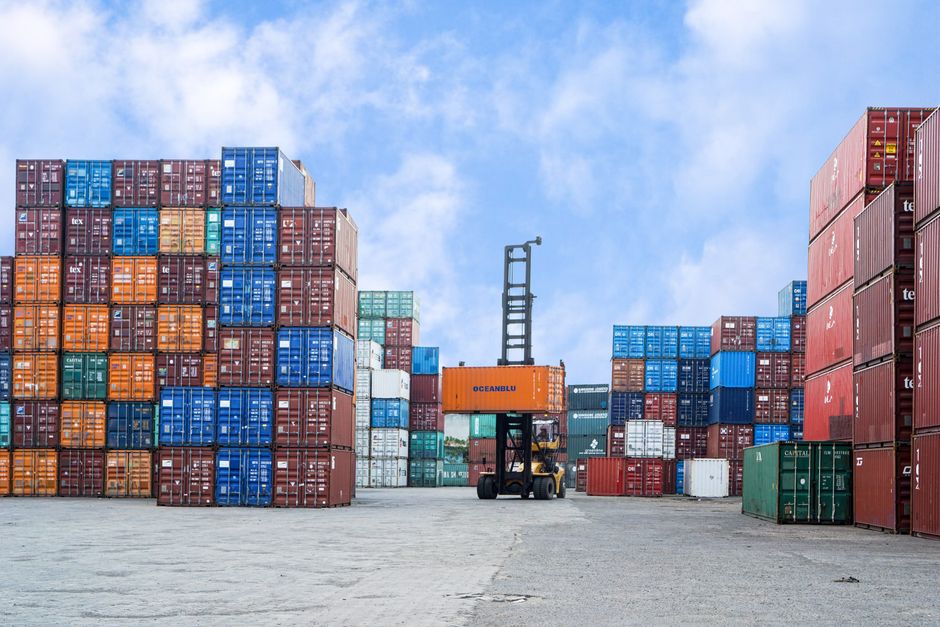
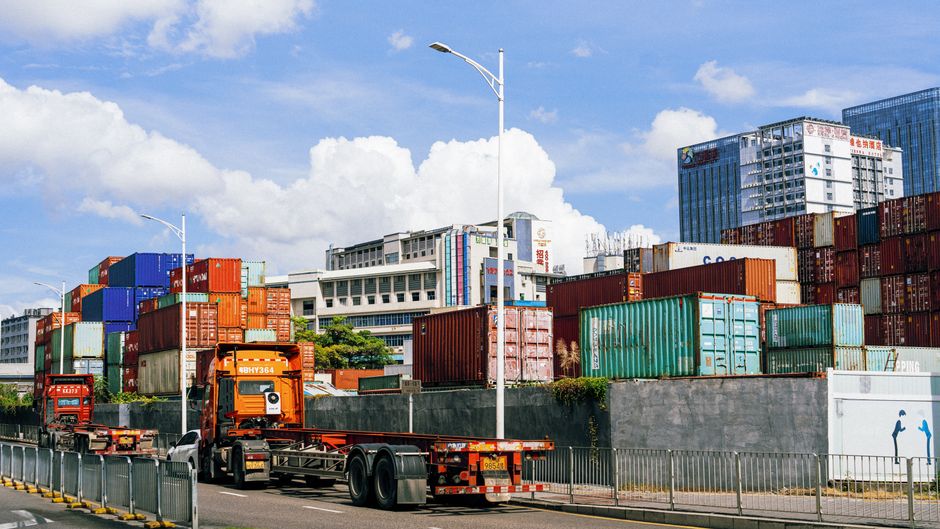
Selected photographs show freight terminals, vehicles, and consignments typically associated with groupage freight operations. The images illustrate the physical environment and equipment involved in consolidating smaller shipments for transport across the United Kingdom.


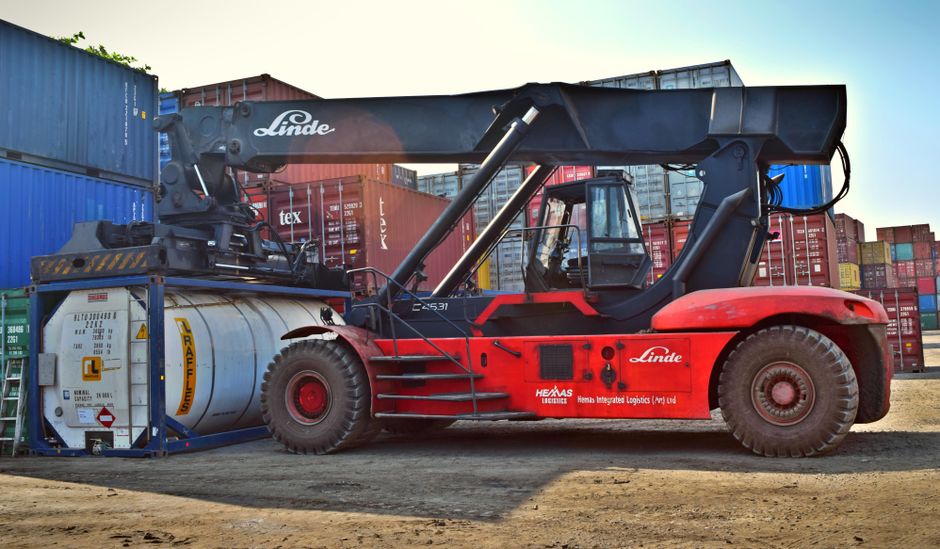
LoadShare UK arranges groupage freight services that connect various regions within the United Kingdom. This approach involves consolidating shipments from multiple senders into a single vehicle, which can be a practical option for smaller loads. The service covers general routes between major industrial areas, urban centres, and regional hubs, though specific lanes and schedules depend on current demand and operational feasibility. Each booking is coordinated through a network of terminals where goods are received, sorted, and forwarded. For businesses and individuals considering groupage, it is important to note that transit times and availability may vary based on factors such as route pairing, seasonal fluctuations, and individual shipment requirements. LoadShare UK provides a transparent framework for those exploring shared freight solutions, without asserting fixed outcomes or universal coverage.
In groupage freight, terminals serve as the fixed points where goods from different senders are combined for shared transport. When shipments arrive from multiple origins, they are temporarily held and consolidated before onward movement, then split again for final delivery at the destination terminal. This separation of collection and distribution lets smaller consignments share vehicle space across longer routes. Terminal handling therefore forms a distinct stage within the method, organised separately from pickup and delivery activities.
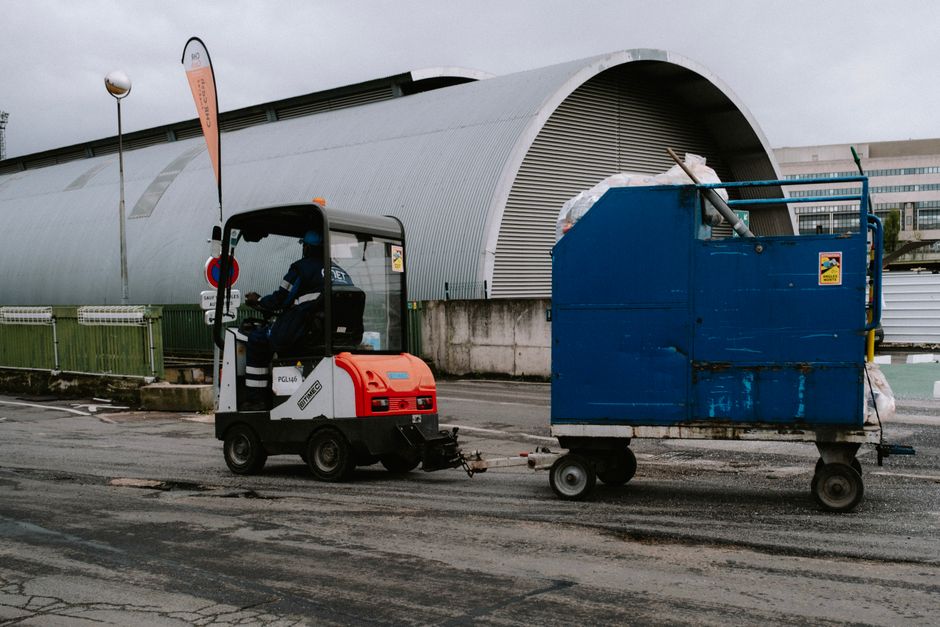
Flexibility to reserve space for small consignments without committing to a full vehicle.
Multiple shippers’ goods consolidated in one vehicle to optimise capacity use across routes.
Goods are delivered to a designated terminal for sorting and consolidation before onward transit.
Collection and delivery windows are specified within the operational framework, not as guaranteed times.
Consolidated freight transport provides a structure for moving small shipments without requiring a dedicated vehicle. Cargo from multiple senders is grouped within shared vehicle space under a defined schedule. Handover takes place at specific terminal points, where goods are received and routed for onward movement. This terminal-based approach keeps loads organised and separated while coordinated across transport operators. The model applies to shipments ranging from individual consignments to reassembled goods, meeting established operational requirements throughout the network. Suitability depends on shipment characteristics, route, schedule and supporting arrangements.

LoadShare UK's groupage freight service is built on the principle of consolidation: multiple shippers' consignments are combined into a single vehicle, allowing each customer to book only the space their cargo requires rather than the whole truck. Shippers deliver goods to a designated terminal, where items are sorted and loaded alongside others heading in a similar direction. At the destination terminal, each consignment is separated for collection or onward delivery. This space-sharing model is designed to improve vehicle utilisation for smaller loads. Costs and transit times remain conditional: they depend on volume, route, timelines and terminal handling, and may vary between shipments.
A space in the consolidated vehicle is reserved for your shipment based on its dimensions and weight.
The cargo is handed over at a designated terminal, where it is checked in and prepared for consolidation.
At the terminal, multiple small consignments are grouped together into one efficient load for transport.
At the destination terminal, the shipment is released for collection by the consignee after presentation of valid documentation.
Reach LoadShare UK with questions about groupage freight services via the contact form below, and view our terminal location on the interactive map.